Hackathon case study

Ice Detection Smart Cane

A rapid embedded prototype built in a 12-hour hackathon to help visually impaired users detect icy ground conditions through sensor fusion and tactile feedback.

Project type Accessibility-focused hackathon prototype
Timeline March 2026
Core stack C++, Arduino, embedded systems, sensor integration
Result 3rd place at EngHacks among 400 competitors
Overview

A fast build with a clear human-centered goal.

The idea behind this project was simple: help visually impaired users detect dangerous icy surfaces before stepping onto them. In a 12-hour hackathon environment, the real challenge was not only building a working prototype quickly, but making the detection logic reliable enough to be useful.

Technical highlights

Multi-sensor detection logic

Integrated temperature, infrared, and color sensors through Arduino-based logic so the cane could evaluate multiple signals instead of relying on a single reading.

Baseline recalibration and scoring

Implemented recalibration behavior and threshold-based scoring to improve detection reliability and reduce false positives as environmental conditions changed.

Tactile feedback system

Programmed servo-based tactile feedback to alert the user when ice was detected, keeping the interface simple and usable without requiring visual attention.

Why it stood out

What makes this project especially strong is the combination of speed, embedded systems execution, and user-centered design. It was built under hackathon constraints, but it still required thoughtful sensing logic, clear feedback behavior, and enough robustness to demonstrate a meaningful accessibility application.

The final prototype earned 3rd place at EngHacks in a field of 400 competitors.

Media and artifacts

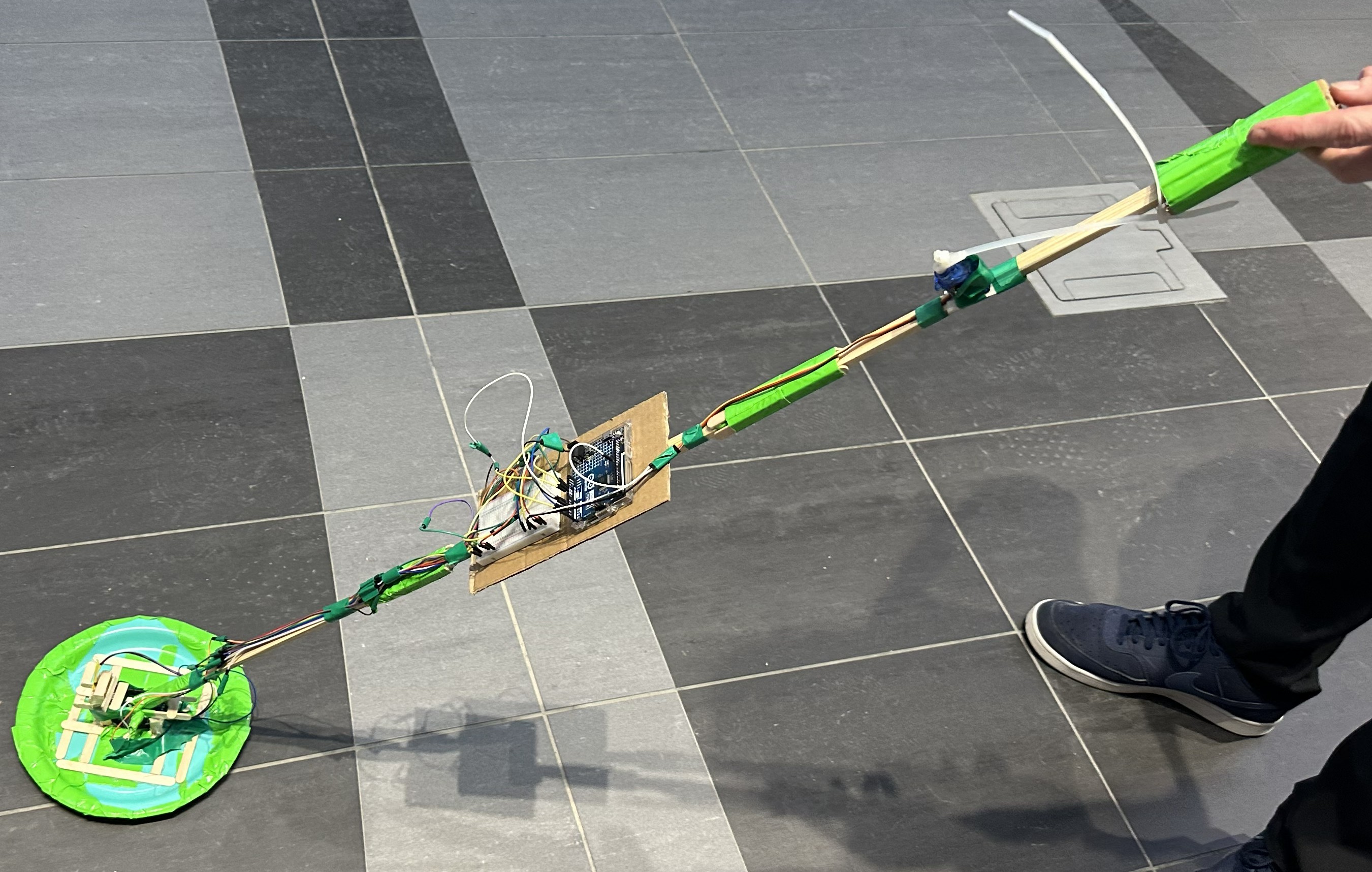
Ice Detection Smart Cane prototype during testing Prototype in use

The physical hackathon build, showing the cane prototype, embedded electronics, and the quick construction decisions made under time pressure.

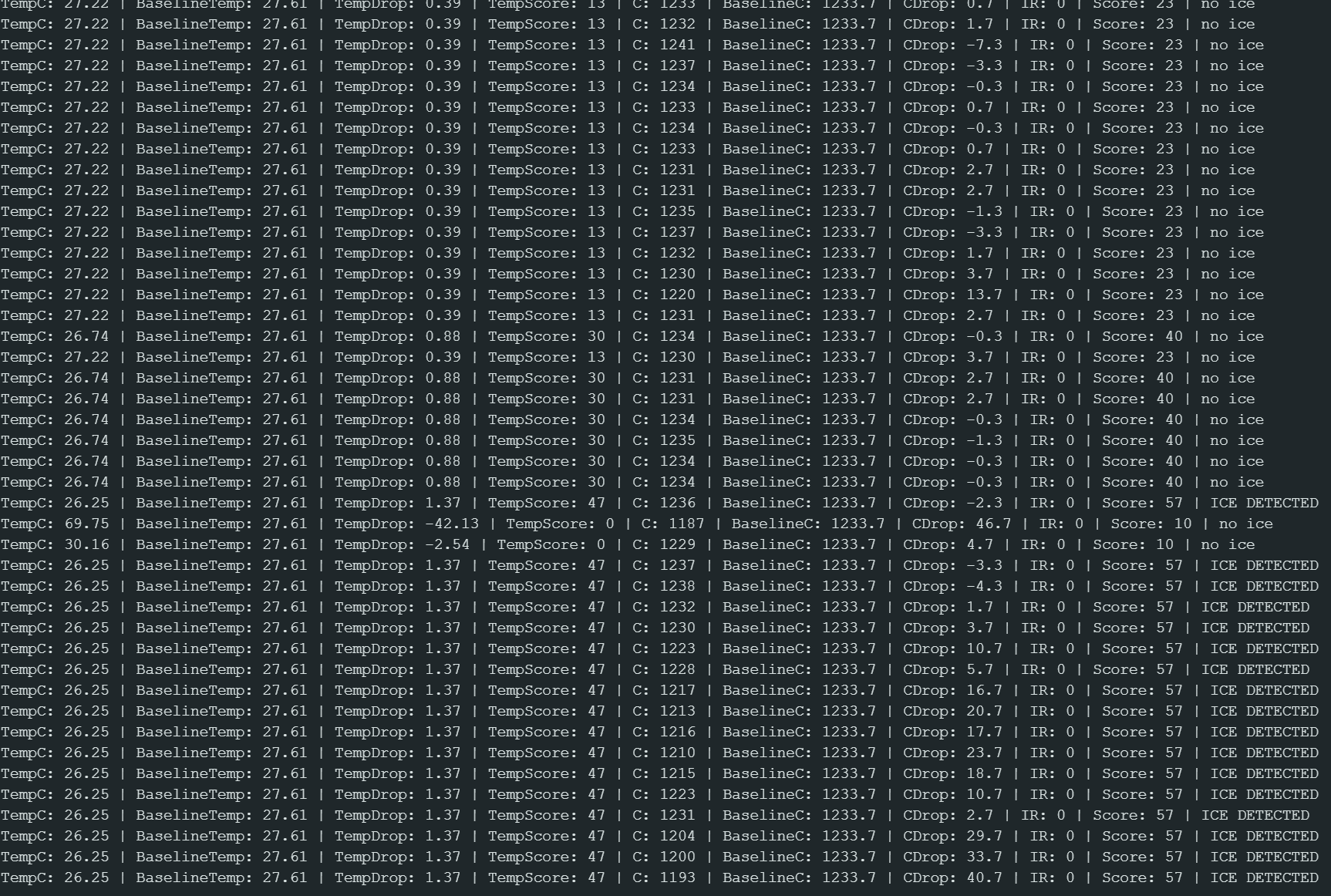
What the data shows

This output helps tell the technical story of the project: the system was not only sensing inputs, but recalibrating against a baseline and combining signals into a threshold-based decision instead of relying on one raw reading.

Live detection data Open full size
Sample diagnostic output from the smart cane detection system

Sample runtime output from the detection logic, including baseline values, scoring, and the transition into an ice-detected state.